
Simple Heating Upgrades That Improve Home Comfort
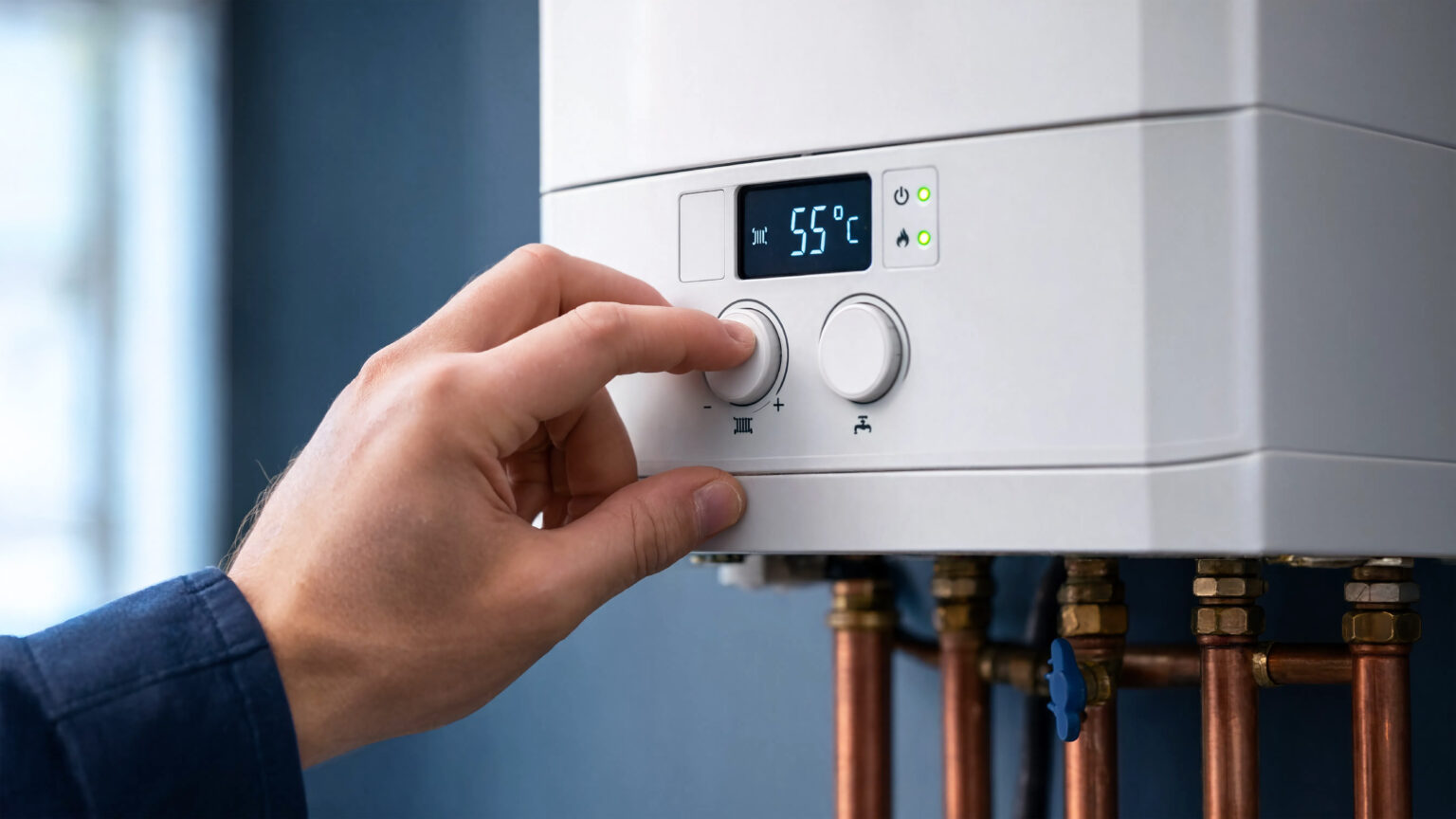
A comfortable home isn’t necessarily about turning the thermostat up. If some rooms feel colder than others, your radiators take too long to warm up, or your heating system doesn’t seem to respond as it should, a few simple heating upgrades could make a noticeable difference.
The good news is that improving your home’s heating doesn’t always mean replacing your boiler. From upgrading your thermostat and installing thermostatic radiator valves to improving your hot water system, there are several ways to make your heating more effective and comfortable.
In some cases, however, an existing boiler or heating system may be struggling to keep up. Understanding the cause of the problem can help you decide whether a simple adjustment, professional maintenance, or a larger upgrade is the right solution.
Here are some practical heating upgrades worth considering.
Upgrade Your Thermostat
Your thermostat plays an important role in controlling the temperature of your home. If you have an older model, upgrading to a modern programmable or smart thermostat can give you much greater control over your heating.
A programmable thermostat allows you to set different temperatures and heat times throughout the day. Smart thermostats can provide additional features, including app-based controls and more flexible scheduling.
This means you can:
- Set your heating around your daily routine
- Avoid heating an empty property unnecessarily
- Keep your home at a more consistent temperature
- Adjust your heating remotely with some smart systems
- Have greater control over your energy use
For homeowners who find themselves constantly adjusting the thermostat, modern heating control could be a relatively simple way to improve comfort.
2. Install Thermostatic Radiator Valves
Not every room in your home needs to be the same temperature. Your bedroom, for example, may be more comfortable at a lower temperature than your living room.
Thermostatic radiator valves (TRVs) allow you to control the temperature of individual rooms by regulating the flow of hot water through each radiator. This can be particularly useful if you have rooms that are rarely used. Instead of heating every room to the same level, you can adjust individual radiators according to how the space is used.
If you’re experiencing inconsistent temperatures around your home, a heating professional can assess your existing radiators and controls to determine whether TRVs could help.
3. Consider Having Your Heating System Power Flushed
If your radiators aren’t heating properly, the problem may not necessarily be the boiler.
Over time, central heating systems can accumulate sludge, rust, and other debris. This can restrict water flow and affect how effectively heat is distributed around your home.
Some common signs of a system that may need cleaning include:
- Radiators with cold spots
- Radiators taking a long time to heat
- Noisy radiators or heating pipes
- Some radiators being much hotter than others
- Poor heating performance
- Frequent heating problems
A power flush uses specialised equipment to clean and flush contaminants from the heating system. Whether you need one depends on the condition and design of your system, so it’s worth getting professional advice before arranging the work.
Regular boiler maintenance services can also help identify developing heating problems before they become more disruptive.
4. Upgrade Old or Inefficient Radiators
Radiators have an important job to do, so if yours are old, damaged or incorrectly sized, they may not be providing the level of heat your rooms need.
Replacing an old radiator with a correctly sized modern radiator can improve heat distribution and may make a room feel more comfortable.
However, replacing radiators isn’t always the answer. If your radiator is cold at the bottom, takes a long time to heat or isn’t heating evenly, there could be an underlying issue with the system.
A local boiler engineer or heating professional can assess the radiator and wider heating system before recommending a replacement.
5. Have Your Radiators Balanced
If some radiators are getting hot quickly while others remain cool, your heating system may need balancing.
Radiator balancing involves adjusting the flow of hot water through individual radiators so that heat is distributed more evenly around the property.
Without proper balancing, the radiators closest to the boiler may receive more hot water than those further away. This can leave certain rooms colder than others.
Balancing your radiators can therefore be a straightforward way to improve comfort without installing an entirely new heating system.
If you’ve noticed significant differences in radiator temperatures, it’s worth asking a heating professional to check the system.
6. Improve Your Hot Water System
Home comfort isn’t just about keeping your rooms warm. Having reliable hot water is equally important.
If you’re experiencing poor hot water pressure, inconsistent temperatures or difficulty getting enough hot water for your household, it may be worth looking at your existing hot water system.
For some properties, an unvented hot water cylinder could provide a suitable solution. These systems can deliver strong hot water pressure and are designed to supply hot water directly from the mains.
However, they aren’t suitable for every property. Your home’s mains water pressure, existing heating system and hot water requirements all need to be considered.
A qualified gas heating engineer can assess your current system and explain which options are appropriate for your home.
7. Insulate Your Heating Pipes
Heat can be lost from exposed heating and hot water pipes, particularly where they run through unheated areas such as lofts, garages, and other parts of the property.
Pipe insulation is a relatively simple improvement that can help reduce heat loss from hot water pipes and protect them from freezing in particularly cold conditions.
It’s especially worth checking out pipes located in areas that aren’t heated as part of your home.
While pipe insulation won’t transform an inefficient heating system on its own, it’s one of several small improvements that can help your heating system work more effectively.
8. Consider Zoned Heating
If you have a larger property, you may not need every part of your home to be heated at the same time.
Zoned heating allows different areas of a property to be controlled separately. For example, you could have different controls for upstairs and downstairs or separate zones for an extension and the main part of the house.
This can make your heating more convenient and give you greater control over the temperature in different areas.
Zoning can be particularly useful for larger homes or properties where different rooms are used at different times of the day.
9. Don’t Overlook Regular Boiler Servicing
Sometimes the best heating upgrade is making sure your existing system is properly maintained.
Regular boiler servicing allows a qualified engineer to inspect the boiler, check its operation, and identify potential issues. This can help ensure the appliance is operating safely and efficiently.
Routine servicing can also provide an opportunity to identify problems before they develop into more significant faults.
If your boiler hasn’t been serviced recently, arranging professional maintenance can be a sensible first step before investing in other heating upgrades.
It’s also important to distinguish between servicing and repairs. Servicing is preventative maintenance, whereas boiler repair North Shields services are intended to diagnose and resolve an existing fault.
10. Know When It’sTime for a New Boiler
Heating upgrades can improve the performance of an existing system, but there comes a point when replacing an old boiler may make more sense.
Frequent breakdowns, increasing repair costs, and poor heating performance can all be signs that your boiler is reaching the end of its useful life.
If your boiler is becoming increasingly unreliable, continuing to repair it may not always be the most cost-effective long-term option.
A new boiler installation could provide a more reliable and efficient heating system, provided the new boiler is correctly sized and suitable for your property.
A professional assessment can help you compare the potential cost of ongoing repairs with the benefits of replacement.
Which Heating Upgrade Is Right for Your Home?
The best heating upgrade depends on the problem you’re experiencing.
Problem | Potential Solution |
Rooms are different temperatures | Radiator balancing or TRVs |
Heating schedule is inconvenient | Programmable or smart thermostat |
Radiators have cold spots | System assessment or power flushing |
Radiators are old or damaged | Radiator replacement |
Poor hot water performance | Hot water system assessment |
Heat is lost from exposed pipes | Pipe insulation |
Different parts of the home need different temperatures | Zoned heating |
Boiler keeps breaking down | Boiler repair or replacement assessment |
Boiler is old and unreliable | Potential new boiler installation |
It’s important not to assume that the most expensive upgrade is automatically the best one. A professional assessment can help identify what is actually causing the problem.
When Should You Call a Heating Professional?
Some basic heating improvements are relatively straightforward, but problems involving your boiler, gas supply, or central heating system should be assessed by a suitably qualified professional.
You should consider getting professional advice if:
- Your boiler keeps losing pressure
- Your heating isn’t warming the property properly
- Radiators remain cold despite bleeding
- Your boiler is making unusual noises
- You have repeated heating breakdowns
- Your hot water isn’t working correctly
- Your boiler hasn’t been serviced recently
- You’re considering replacing your boiler
- You want to improve the performance of an older heating system
A qualified local boiler engineer can assess the condition of your boiler and heating system and recommend improvements based on your property rather than simply suggesting unnecessary replacements.
For gas-related work, always use an appropriately qualified gas heating engineer.
Small Heating Improvements Can Make a Big Difference
You don’t necessarily need to replace your entire heating system to make your home more comfortable.
Upgrading your thermostat, installing TRVs, balancing your radiators, insulating pipes, or improving your heating controls can all make a noticeable difference. In other cases, professional maintenance or a power flush may be needed to address an underlying problem.
If your boiler is old or regularly breaking down, however, investing in a new boiler may provide a more reliable long-term solution.
The key is to identify the reason your heating isn’t performing as expected before deciding which upgrade to make. With the right advice and maintenance, you can improve comfort while making better use of the heating system already in your home.
