
Why Does My Boiler Pressure Keep Dropping? Common Causes Explained

If your boiler pressure keeps dropping, you may find yourself repeatedly topping it up just to keep your heating and hot water working. While an occasional pressure adjustment can happen, boiler pressure that repeatedly falls is usually a sign that something needs investigating. A drop in pressure can be caused by something relatively straightforward, such as bleeding a radiator, but it can also point to a leak, a problem with the expansion vessel or an issue with another component inside the heating system. So, why does boiler pressure keep dropping, and when should you call a heating engineer? In this guide, we’ll explain the common causes of low boiler pressure, what you can safely check yourself and when it’s time to arrange boiler installation or repair. What Should Your Boiler Pressure Be? Most modern sealed central heating systems operate within a specific pressure range. You will usually see the pressure displayed on a gauge or digital display on the boiler. As a general guide, many systems sit around 1 to 1.5 bar when the heating system is cold, although the recommended pressure can vary depending on the boiler and heating system. When your central heating is running, the pressure may increase slightly as the water heats and expands. A small change is generally normal. The important thing is to look for repeated or significant pressure loss. If the pressure keeps falling and you regularly need to repressurise the system, there may be an underlying problem that needs attention. Why Does My Boiler Pressure Keep Dropping? There are several possible reasons why your boiler pressure keeps dropping. Some are related to water escaping from the heating system, while others involve components designed to control pressure. 1. There Could Be a Leak in the Heating System One of the most common reasons for losing boiler pressure is a leak somewhere in the central heating system. Water can escape from: Radiator valves Radiator connections Pipe joints Visible pipework Boiler components Hidden pipework beneath floors or inside walls Even a small leak may eventually cause the pressure gauge to fall. Check around accessible radiators, valves and pipework for signs of water, dampness, staining or corrosion. However, not every leak will be visible. If you cannot find an obvious leak, but the pressure continues to fall, a local boiler engineer can inspect the system and investigate the cause. 2. The Pressure Relief Valve Could Be Leaking Your boiler has safety components designed to protect the heating system if the pressure becomes too high. One of these is the pressure relief valve. If it opens because the pressure rises too much, it releases water from the system. If the valve does not close properly afterwards, it may continue to allow small amounts of water to escape. This can eventually lead to low boiler pressure. If you’ve noticed water coming from the discharge pipe outside your property, it’s worth having the system checked by a qualified gas heating engineer rather than repeatedly topping up the pressure. 3. There Could Be a Problem With the Expansion Vessel The expansion vessel plays an important role in maintaining stable pressure within a sealed heating system. As water heats up, it expands. The expansion vessel provides space for this expansion and helps prevent excessive pressure increases. If the expansion vessel loses its charge or develops a fault, you may notice the boiler pressure: Rises significantly when the heating is running. Drops again as the system cools. Eventually becomes too low. This pattern can sometimes be a useful clue for an engineer diagnosing recurring pressure problems. A faulty expansion vessel isn’t something you should attempt to repair yourself. It requires appropriate knowledge and equipment to diagnose and rectify safely. 4. Bleeding Your Radiators Can Lower Boiler Pressure Have you recently bled one or more radiators? Removing trapped air from a radiator can result in some water being lost from the heating system. This can cause the boiler pressure to fall slightly. A small drop following radiator bleeding isn’t necessarily a sign of a serious fault. However, if you haven’t recently carried out any heating maintenance and the pressure continues to fall, there may be another reason for the pressure loss. It’s also important not to repeatedly bleed radiators or repressurise the system without understanding why the pressure is changing. 5. There Could Be a Leak Inside the Boiler Not all heating system leaks happen around radiators and external pipework. Internal boiler components, connections, and seals can potentially develop leaks. Depending on where the leak occurs, you may not see water immediately. Other signs can include: Repeatedly falling pressure Water around or underneath the boiler Unusual boiler behaviour Corrosion or staining around accessible components The need to frequently repressurise the system Never remove the boiler casing yourself to investigate an internal leak. Gas appliances should be inspected and worked on by an appropriately qualified professional. 6. The Pressure Gauge or Sensor Could Be Faulty Sometimes the problem isn’t actually a loss of water from the heating system. A faulty pressure gauge or sensor may provide inaccurate or inconsistent readings. If the pressure reading doesn’t appear to match how the heating system is behaving, an engineer can check whether the gauge, sensor or another component is responsible. This is one reason why repeatedly topping up the pressure isn’t always the right solution. If the reading itself is inaccurate, you could be treating a problem that isn’t actually there. Why Does My Boiler Pressure Drop Overnight? If you check your boiler before bed and find that the pressure is significantly lower the next morning, it is understandable to be concerned. A small change can occur as the heating system cools down. When the water inside the system cools, its volume changes and the pressure can fall slightly. However, a significant or repeated overnight pressure drop shouldn’t simply be ignored. It could indicate: A small leak A pressure relief valve problem An expansion vessel issue Another fault within the heating system If you regularly wake
Simple Heating Upgrades That Improve Home Comfort
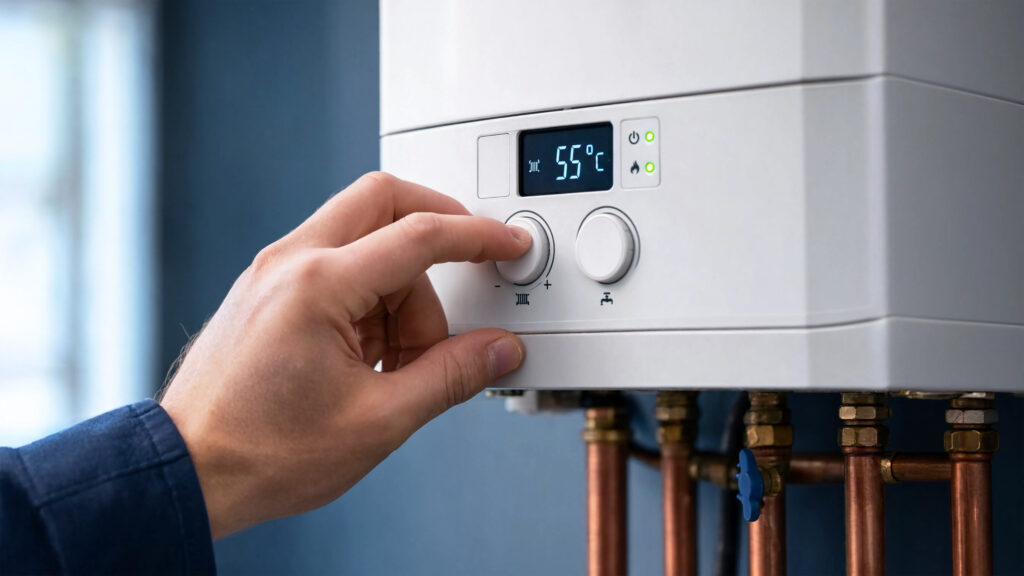
A comfortable home isn’t necessarily about turning the thermostat up. If some rooms feel colder than others, your radiators take too long to warm up, or your heating system doesn’t seem to respond as it should, a few simple heating upgrades could make a noticeable difference. The good news is that improving your home’s heating doesn’t always mean replacing your boiler. From upgrading your thermostat and installing thermostatic radiator valves to improving your hot water system, there are several ways to make your heating more effective and comfortable. In some cases, however, an existing boiler or heating system may be struggling to keep up. Understanding the cause of the problem can help you decide whether a simple adjustment, professional maintenance, or a larger upgrade is the right solution. Here are some practical heating upgrades worth considering. Upgrade Your Thermostat Your thermostat plays an important role in controlling the temperature of your home. If you have an older model, upgrading to a modern programmable or smart thermostat can give you much greater control over your heating. A programmable thermostat allows you to set different temperatures and heat times throughout the day. Smart thermostats can provide additional features, including app-based controls and more flexible scheduling. This means you can: Set your heating around your daily routine Avoid heating an empty property unnecessarily Keep your home at a more consistent temperature Adjust your heating remotely with some smart systems Have greater control over your energy use For homeowners who find themselves constantly adjusting the thermostat, modern heating control could be a relatively simple way to improve comfort. 2. Install Thermostatic Radiator Valves Not every room in your home needs to be the same temperature. Your bedroom, for example, may be more comfortable at a lower temperature than your living room. Thermostatic radiator valves (TRVs) allow you to control the temperature of individual rooms by regulating the flow of hot water through each radiator. This can be particularly useful if you have rooms that are rarely used. Instead of heating every room to the same level, you can adjust individual radiators according to how the space is used. If you’re experiencing inconsistent temperatures around your home, a heating professional can assess your existing radiators and controls to determine whether TRVs could help. 3. Consider Having Your Heating System Power Flushed If your radiators aren’t heating properly, the problem may not necessarily be the boiler. Over time, central heating systems can accumulate sludge, rust, and other debris. This can restrict water flow and affect how effectively heat is distributed around your home. Some common signs of a system that may need cleaning include: Radiators with cold spots Radiators taking a long time to heat Noisy radiators or heating pipes Some radiators being much hotter than others Poor heating performance Frequent heating problems A power flush uses specialised equipment to clean and flush contaminants from the heating system. Whether you need one depends on the condition and design of your system, so it’s worth getting professional advice before arranging the work. Regular boiler maintenance services can also help identify developing heating problems before they become more disruptive. 4. Upgrade Old or Inefficient Radiators Radiators have an important job to do, so if yours are old, damaged or incorrectly sized, they may not be providing the level of heat your rooms need. Replacing an old radiator with a correctly sized modern radiator can improve heat distribution and may make a room feel more comfortable. However, replacing radiators isn’t always the answer. If your radiator is cold at the bottom, takes a long time to heat or isn’t heating evenly, there could be an underlying issue with the system. A local boiler engineer or heating professional can assess the radiator and wider heating system before recommending a replacement. 5. Have Your Radiators Balanced If some radiators are getting hot quickly while others remain cool, your heating system may need balancing. Radiator balancing involves adjusting the flow of hot water through individual radiators so that heat is distributed more evenly around the property. Without proper balancing, the radiators closest to the boiler may receive more hot water than those further away. This can leave certain rooms colder than others. Balancing your radiators can therefore be a straightforward way to improve comfort without installing an entirely new heating system. If you’ve noticed significant differences in radiator temperatures, it’s worth asking a heating professional to check the system. 6. Improve Your Hot Water System Home comfort isn’t just about keeping your rooms warm. Having reliable hot water is equally important. If you’re experiencing poor hot water pressure, inconsistent temperatures or difficulty getting enough hot water for your household, it may be worth looking at your existing hot water system. For some properties, an unvented hot water cylinder could provide a suitable solution. These systems can deliver strong hot water pressure and are designed to supply hot water directly from the mains. However, they aren’t suitable for every property. Your home’s mains water pressure, existing heating system and hot water requirements all need to be considered. A qualified gas heating engineer can assess your current system and explain which options are appropriate for your home. 7. Insulate Your Heating Pipes Heat can be lost from exposed heating and hot water pipes, particularly where they run through unheated areas such as lofts, garages, and other parts of the property. Pipe insulation is a relatively simple improvement that can help reduce heat loss from hot water pipes and protect them from freezing in particularly cold conditions. It’s especially worth checking out pipes located in areas that aren’t heated as part of your home. While pipe insulation won’t transform an inefficient heating system on its own, it’s one of several small improvements that can help your heating system work more effectively. 8. Consider Zoned Heating If you have a larger property, you may not need every part of your home to be heated at the same time. Zoned heating allows different areas of a property to be controlled separately. For example, you could have different controls for upstairs and downstairs or separate zones for an extension and the main part of the house. This can make your heating more convenient and give you greater control over the temperature in different areas. Zoning can be particularly useful for larger homes or properties where different rooms are used at different times of the day. 9. Don’t Overlook Regular Boiler Servicing Sometimes the best heating upgrade is making sure your existing system
Benefits of Regular Boiler Maintenance for Homes & Businesses
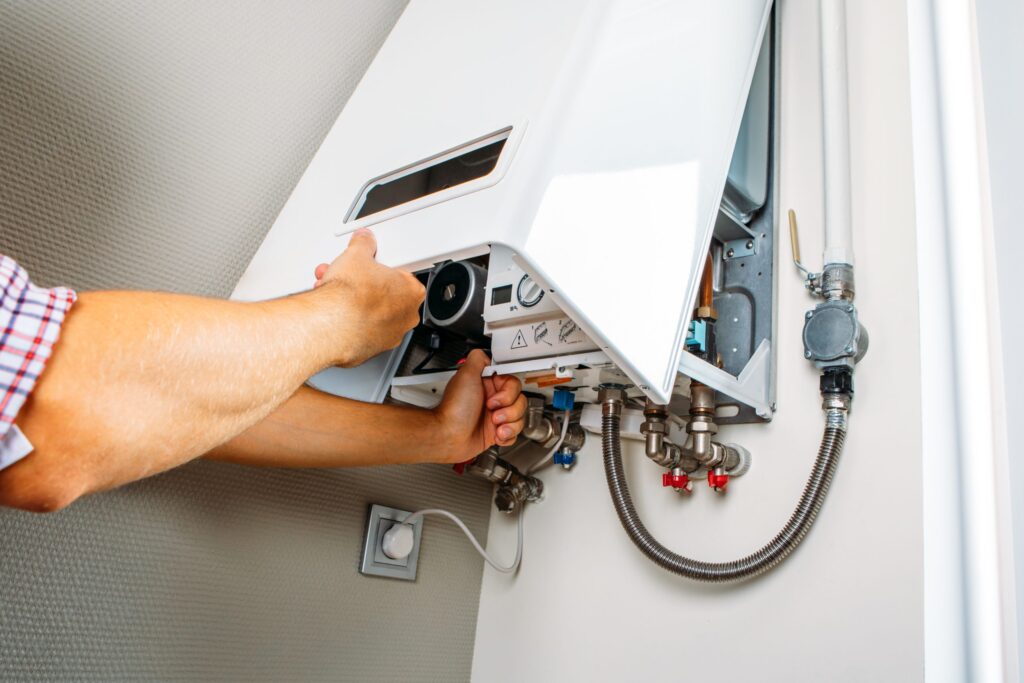
A boiler is one of the most important systems in any property. At home, it provides heating and hot water for everyday life. In a business, a reliable heating system can help keep employees, customers, and occupants comfortable. Like any mechanical system, a boiler can develop faults over time. Regular maintenance and boiler servicing can help identify potential problems early, keep the system operating efficiently, and reduce the likelihood of unexpected breakdowns. Whether you own a home, manage a rental property or run a business, investing in professional boiler maintenance services can help keep your heating system reliable throughout the year. 1. Helps Reduce the Risk of Unexpected Breakdowns One of the biggest benefits of regular maintenance is the opportunity to identify problems before they become more serious. Boilers can develop issues with individual components, pressure, ignition, or other parts of the system. Sometimes, there may be warning signs before a complete breakdown occurs, but these aren’t always obvious to the property’s owner. Routine maintenance gives an engineer the opportunity to inspect the system and identify potential issues. This doesn’t mean regular servicing can guarantee that your boiler will never break down. However, identifying and addressing certain problems early may help reduce the risk of an unexpected failure. If your boiler has already stopped working, professional boiler repair North Shields services can help diagnose the cause and determine the appropriate repair. 2. Can Help Improve Boiler Efficiency A boiler that isn’t operating correctly may have to work harder to provide the required heating and hot water. Regular maintenance can help ensure that the system is operating as it should be. During a professional service, an engineer can check the boiler’s performance and identify issues that could affect its operation. Keeping your boiler properly maintained can therefore support efficient operation and may help avoid unnecessary energy consumption. Of course, your home’s insulation, thermostat settings, radiators, and overall heating system can also affect energy use. Boiler maintenance is just one part of keeping your heating system efficient. 3. May Help Extend the Life of Your Boiler Replacing a boiler is a significant investment, so it’s understandable that homeowners and businesses want to get as much useful life from their existing system as possible. Regular maintenance can help keep individual components in good working order and identify signs of deterioration. Addressing smaller issues when they are found may also help prevent additional strain on the system. There is no fixed lifespan that applies to every boiler, as factors such as age, installation quality, usage and maintenance can all make a difference. However, taking care of your heating system can help you get the most from it. If your boiler is becoming increasingly unreliable despite regular repairs, it may be worth considering whether replacement is a better option. Read this guide to check some of the factors to consider whether it’s worth repairing or replacing your boiler looks at some of the factors to consider. 4. Can Help Reduce Long-Term Repair Costs Boiler maintenance is a preventative measure rather than a guarantee against repairs. However, identifying a developing fault early may mean it can be dealt with before it causes further problems. For example, a component that shows signs of wear may be relatively straightforward to address during routine maintenance. Leaving a problem until the boiler stops working could result in a more disruptive repair. This is particularly important for businesses, where a boiler breakdown could affect normal operations and potentially require an urgent callout. Regular maintenance can make it easier to plan necessary work rather than dealing with every problem as an emergency. 5. Supports Safe Boiler Operation Safety is one of the most important reasons to have your boiler professionally serviced. Gas appliances need to be installed, maintained, and repaired correctly. A qualified gas heating engineer can carry out the appropriate checks and identify potential issues with the appliance. A boiler that isn’t operating correctly should never simply be ignored. If you notice unusual smells, unexpected changes in performance or other concerning symptoms, arrange for the system to be checked by a suitably qualified professional. Carbon monoxide is another important consideration with gas appliances. It is colourless and odourless, which means you cannot rely on your senses to detect it. Proper maintenance, appropriate safety checks and a suitable carbon monoxide alarm can all form part of responsible gas appliance management. 6. Helps Keep Heating and Hot Water Reliable Nobody wants their heating or hot water to stop working unexpectedly. For homeowners, a boiler problem can mean cold radiators, cold showers, and disruption to everyday routines. During colder weather, losing heating can be particularly inconvenient. For businesses, the consequences can be even more disruptive. A heating problem could affect employees, customers, tenants or other people using the building. Regular boiler servicing can help ensure that potential issues are identified and addressed before they become major problems. This is particularly useful before the colder months, when boilers tend to be used more heavily. 7. Helps Identify Early Warning Signs Boiler problems don’t always start with a complete breakdown. There may be smaller warning signs that something isn’t quite right. These can include: Unusual banging, whistling or kettling noises Low or fluctuating boiler pressure The boiler repeatedly switching off Radiators taking longer to heat Hot water becoming inconsistent Error codes appearing on the display The boiler requiring frequent resets Unexplained increases in energy usage Leaks around the boiler or heating system If your boiler keeps switching off, our guide to why your boiler keeps turning off explains some of the common causes. Likewise, if the boiler has stopped working altogether, our guide on why is my boiler not working? covers some of the issues that could be responsible. Remember that these signs don’t necessarily mean your boiler needs to be replaced. A professional inspection can help determine whether the problem requires servicing, repair, or further investigation. 8. Gives You Greater Peace of Mind Knowing that your boiler has been professionally checked can provide reassurance that your heating system is being properly looked after. This is useful for homeowners, landlords and business owners alike. Rather than waiting for the boiler to fail completely, regular maintenance gives you an opportunity to monitor its condition and address problems as they arise. For businesses in particular, planned maintenance can also make it easier to manage heating requirements without unexpected disruption. Boiler Maintenance for Homes vs Businesses Although the basic principles of boiler maintenance are similar, priorities can vary between residential and commercial properties. Boiler Maintenance for Homes For homeowners, regular maintenance can help: Keep heating and hot water reliable Identify potential problems early Support efficient boiler operation Reduce unexpected breakdowns Maintain the condition of the heating system Provide greater peace of mind It’s also worth remembering that boiler maintenance isn’t just
Old Boiler vs New Boiler: How Much Money Could You Save?
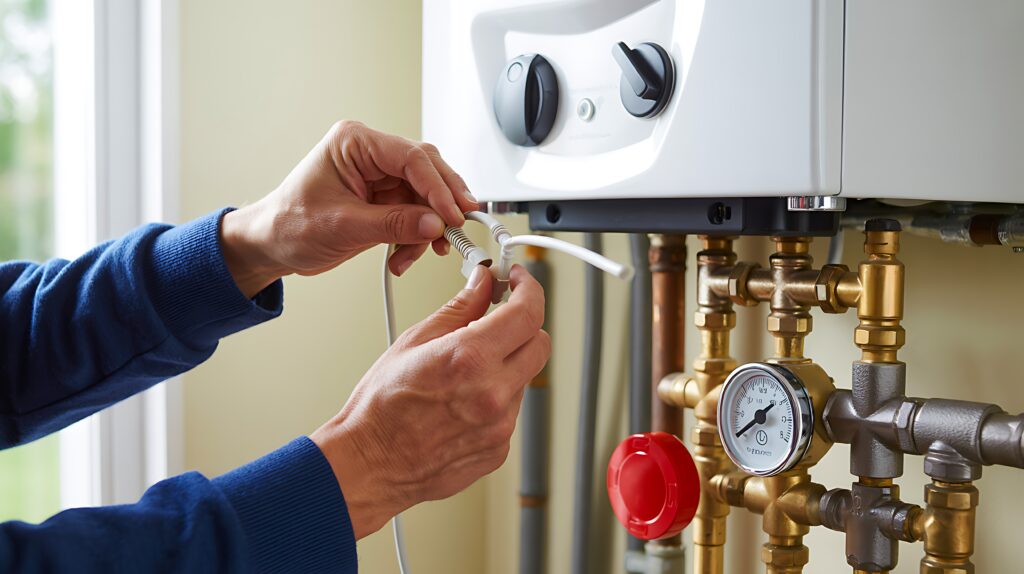
With household energy bills remaining a major concern for homeowners, replacing an old boiler can seem like a significant expense. But if your current boiler is inefficient, unreliable or requiring frequent repairs, continuing to run it could cost you more in the long term. Modern boilers are designed to use fuel more efficiently, potentially helping reduce energy consumption and improve heating performance. For homeowners with an ageing system, investing in a new central heating boiler could therefore be worth considering. But how much money could you actually save by replacing an old boiler? And when does it make more financial sense to choose an new boiler installation instead of continuing with repairs? This guide compares old and new boilers, looks at the potential savings, and explains the signs that it could be time to replace your heating system. Why Do Older Boilers Cost More to Run? Boiler technology has improved significantly over the years. Many older boilers were designed before modern efficiency standards were introduced, meaning they can use considerably more fuel to produce the same amount of heat as a modern condensing boiler. 1. Lower Efficiency Ratings Older, non-condensing boilers can have efficiency ratings of around 60–75%, depending on their age and condition. Modern A-rated condensing boilers, on the other hand, can achieve efficiencies of over 90%. The difference means a modern boiler can convert a much greater proportion of the fuel it uses into useful heat for your home. If your boiler is 15 or 20 years old, upgrading to a modern model could therefore reduce the amount of energy required to heat your property. 2. Higher Fuel Consumption An inefficient boiler needs to work harder to produce the heat your home requires. If you use your central heating regularly during the colder months, this additional fuel consumption can contribute to higher energy bills. Even if your old boiler appears to be working normally, it doesn’t necessarily mean it’s operating efficiently. 3. More Frequent Repairs Age can also increase the likelihood of breakdowns. Components such as pumps, valves, fans, and heat exchangers can deteriorate over time. As these parts begin to fail, homeowners may find themselves paying for repairs more frequently. For some homeowners, arranging boiler repair and maintenance is the right option, particularly when the boiler is relatively efficient, and the fault is minor. However, repeated repair costs can eventually make replacement a more sensible investment. Regular servicing can also help identify developing problems before they become more serious. For more information, see our guide to the top benefits of regular boiler maintenance for homes and businesses. How Much Can You Save With a New Boiler? There isn’t one fixed figure that applies to every household. The amount you could save depends on your existing boiler, property size, insulation, heating controls, and how much you use your heating. However, replacing an inefficient older boiler with a modern high-efficiency model can reduce the amount of fuel needed to heat your home. Boiler Efficiency Comparison Boiler Age Typical Efficiency Potential Running Costs 20+ years old Around 60–70% Higher Around 15 years old Around 70–80% Moderate to high Modern A-rated condensing boiler 90%+ Lower These figures are general estimates rather than guarantees. A professional assessment is the best way to understand how much a particular household could potentially save. What Else Can a New Boiler Save You? Lower energy bills aren’t the only potential financial benefit of replacing an old boiler. 1. Fewer Breakdown Costs A newer boiler can reduce the likelihood of unexpected breakdowns, particularly when it is correctly installed and regularly serviced. If you’re repeatedly paying callouts and repairs, those costs can start to add up. For homeowners in North Shields, arranging local boiler repair is often the first step when a boiler develops a fault. However, if your boiler is ageing and breakdowns are becoming increasingly common, it may be worth comparing the cost of continued repairs with the cost of replacement. If your boiler keeps switching itself off, for example, there could be several possible causes ranging from low pressure to component faults. Our guide on why your boiler keeps turning off explains some of the common reasons this can happen and when professional help may be needed. 2. Lower Maintenance Costs All boilers require regular servicing, regardless of age. However, an older system may require additional repairs as components to wear out. If replacement parts are becoming difficult to source or repair bills are increasing, installing a modern boiler could provide greater reliability and help reduce unexpected maintenance costs. 3. Better Heating Control Modern heating systems can also provide better control over how and when your home is heated. Depending on the system you choose, you may be able to use: Programmable thermostats Smart heating controls Heating schedules Individual room or zone controls Remote temperature adjustments Better control can help prevent your heating from running unnecessarily, potentially reducing wasted energy. Signs Your Old Boiler Could Be Costing You Too Much Not sure whether your current boiler is still worth keeping? Look out for these warning signs: Your energy bills are increasing despite similar usage. Your boiler is more than 10–15 years old. You regularly need repairs. The boiler makes unusual banging, whistling or gurgling noises. Your radiators aren’t heating evenly. Your home takes longer to warm up. Hot water temperatures are inconsistent. Replacement parts are becoming difficult to find. Your boiler has a poor efficiency rating. Repair costs are becoming increasingly expensive. One issue doesn’t necessarily mean you need a new boiler. However, if you’re experiencing several of these problems, it may be time to assess your system. Should You Repair or Replace Your Boiler? The decision isn’t always straightforward. A relatively new boiler with a minor fault may be worth repairing. An older boiler that repeatedly breaks down could be a different story. Repair May Be Better If Replacement May Be Better If It’s the first major fault The boiler is 15+ years old The repair is relatively inexpensive Breakdowns are becoming frequent Replacement parts are readily available Replacement parts are difficult to source The boiler remains reasonably efficient Energy bills are unusually high The system has been well maintained Repair costs are continually increasing If you’re unsure which route makes the most financial sense, our guide on boiler repair or boiler installation in North Shields provides further information on the factors homeowners should consider. If you’re dealing with a fault, professional boiler repair North Shields services can help identify the problem and determine whether repairing the existing system is worthwhile. A qualified engineer
Signs Your Home Needs a New Boiler Installation in North East
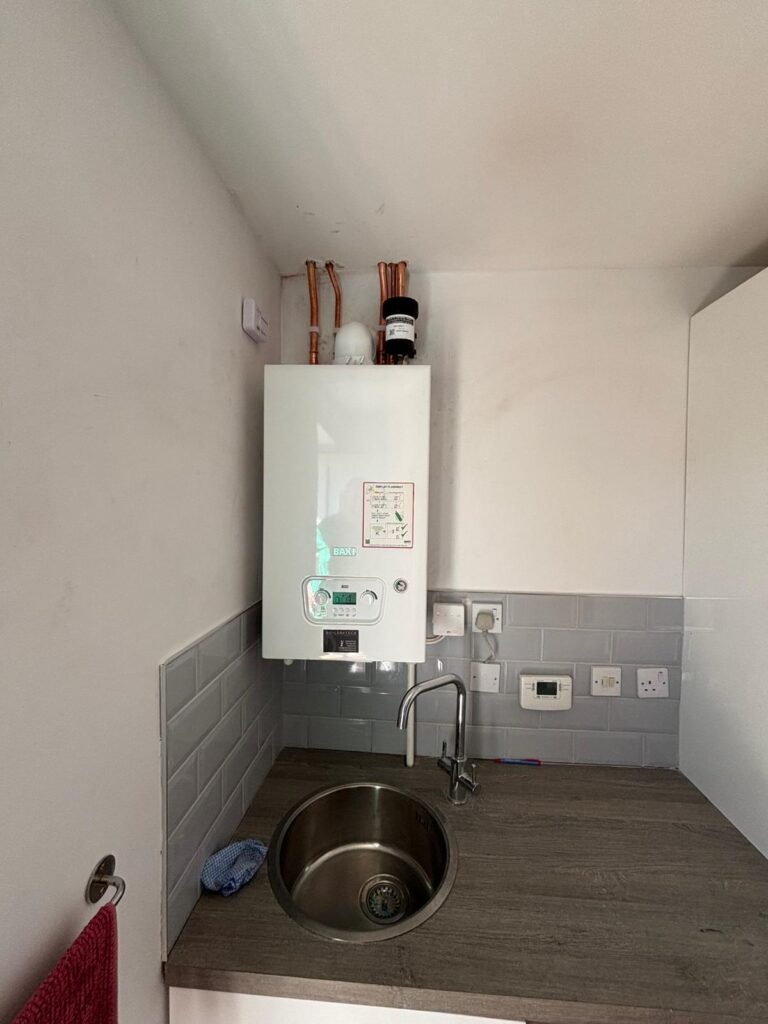
A reliable boiler is essential for keeping your home warm and comfortable, particularly during the colder months across North Shields, Wallsend, Newcastle, and Gateshead. When your heating system starts showing signs of age or struggling to perform, it may be time to consider whether repairs are enough or whether a replacement is the better long-term solution. For many homeowners, the decision to invest in a boiler installation in North East comes after years of dealing with rising energy costs, frequent breakdowns, or unreliable heating. Understanding the warning signs early can help you avoid unexpected loss of heating when you need it most. Modern boilers are significantly more efficient than older models. According to the UK Government’s English Housing Survey, condensing boilers are now the standard for replacement installations and are considered one of the most efficient boiler types available. So, how do you know when your boiler is ready for replacement? Here are the key signs to look out for. 1. Your Boiler Is More Than 10–15 Years Old One of the clearest signs that you may need for a new boiler is its age. While many boilers can continue working beyond 15 years with proper maintenance, older systems often become less reliable and less efficient. Older boilers may use more energy to produce the same level of heat compared with modern condensing models. If your boiler was installed more than a decade ago, it is worth asking: Is it still operating efficiently? Are repair costs increasing? Are replacement parts becoming harder to find? Does it meet your household’s current heating needs? A newer boiler installation can provide improved efficiency, better heating control, and greater reliability throughout the year. 2. Your Energy Bills Are Increasing Without Higher Usage If your heating habits have stayed the same, but your energy bills continue to rise, your boiler could be part of the problem. As boilers age, internal components can become less effective, meaning the system must work harder to heat your home and water. This reduced efficiency can increase running costs over time. A modern energy-efficient boiler can help homeowners improve heating performance while reducing unnecessary energy waste. The exact savings depend on your current boiler, your home’s insulation, and how your heating system is used. For homeowners across North Shields and nearby areas, upgrading an inefficient boiler can be a practical way to improve comfort and manage household energy costs. 3. You Are Paying for Frequent Boiler Repairs Occasional repairs are normal, but repeated breakdowns can indicate that your boiler is reaching the end of its useful life. If you regularly need component replacements, pressure adjustments, leak repairs, emergency callouts, and boiler fault investigations, then continuing to repair an ageing boiler may no longer be cost-effective. Before making a decision, it can be useful to understand the differences between repairing an existing system and installing a replacement. Our guide to boiler repair or boiler installation in North Shields explains some of the factors homeowners should consider when deciding which option makes the most sense. A trusted engineer offering boiler repair services in North Shields can assess whether your current system can be repaired safely or whether replacement would provide better value. Boilertech NE, for example, provides boiler repairs, servicing, and replacement installations for homeowners in North Shields, helping customers understand whether repairing or replacing their system is the most suitable option. 4. Your Boiler Makes Unusual Noises Boilers should operate relatively quietly. If you start hearing unusual sounds, it could indicate a problem. Common warning noises include: Banging Whistling Gurgling Rattling Humming These sounds may be caused by issues such as trapped air, pressure problems, sludge build-up, or failing internal components. While some issues can be resolved through a repair or a professional boiler service repair, repeated noise problems may suggest that your boiler is becoming unreliable. If your boiler is also switching itself off unexpectedly, there may be an underlying fault that needs investigating. Our guide on why a boiler keeps turning off and the most common reasons covers some of the issues that can cause this problem. A qualified local boiler engineer can inspect the system and identify whether repair or replacement is the safest option. 5. Your Home Takes Longer to Warm Up A boiler that struggles to heat your home efficiently may be showing signs of declining performance. You may notice: Radiators taking longer to warm up Cold areas in certain rooms Inconsistent temperatures Hot water running out faster than usual This can happen when an older boiler is no longer able to meet your home’s heating demands. A correctly sized replacement boiler can improve heat distribution and provide more consistent comfort, especially in larger properties or homes that have changed over time. 6. Your Boiler Keeps Losing Pressure Boiler pressure problems are common, but frequent pressure loss should not be ignored. A boiler repeatedly losing pressure could indicate: A leak somewhere in the system A faulty pressure relief valve A damaged internal component Problems within the heating system Occasional pressure adjustments may solve the issue, but recurring problems could mean your boiler is approaching the end of its lifespan. A professional heating engineer can diagnose the cause and recommend the most appropriate solution. 7. Your Boiler Has Safety Warning Signs Boiler safety should always be a priority. Contact a qualified gas heating engineer if you notice: A yellow or unusual flame Soot marks around the boiler Strange smells Poor ventilation Carbon monoxide alarm activation Never ignore potential gas safety issues. Regular gas appliance servicing helps ensure your boiler, gas fire, and other appliances are operating safely. Annual boiler servicing is also an important part of maintaining efficiency and identifying potential issues before they become serious problems. Regular maintenance can also help extend the working life of your heating system. You can learn more about the benefits of regular boiler maintenance for homes and businesses and why preventative maintenance should not be overlooked. 8. Your Household’s Heating Requirements Have Changed Your existing boiler may have been suitable when it was installed, but your needs may have changed. You may need a replacement if you have: Added an extension Installed additional bathrooms Increased your household size Started working from home more often Changed how you use hot water A boiler that is too small may struggle to keep up, while an oversized boiler can waste energy. The type
How Often Should You Service a Boiler in a Rental Property?
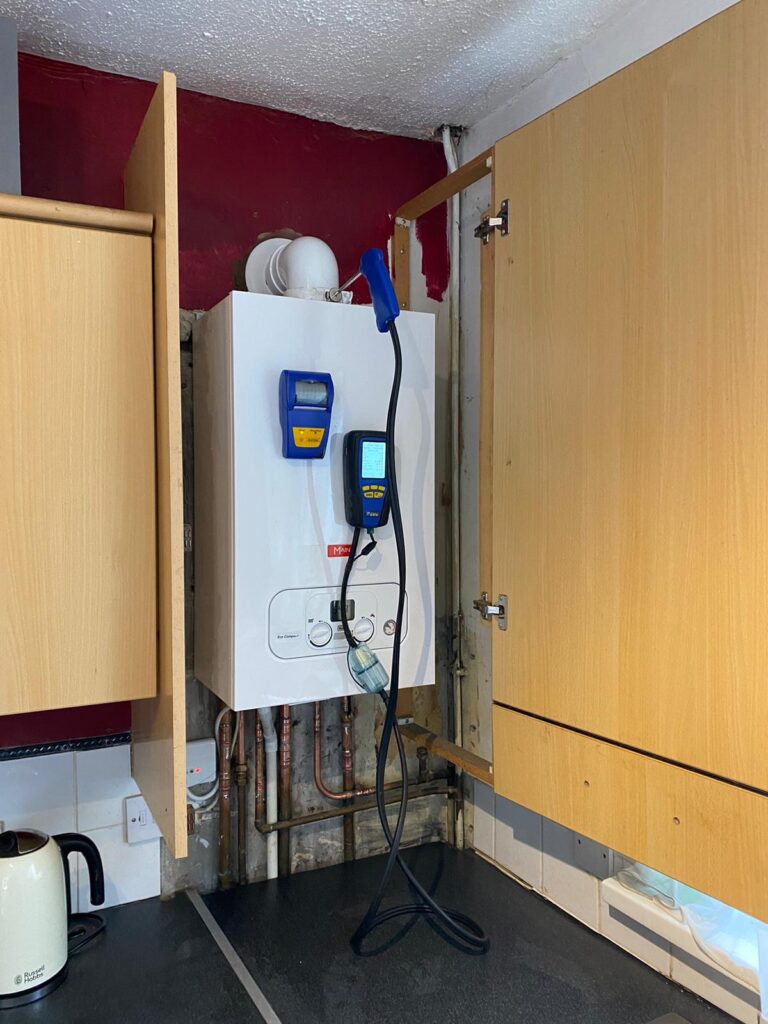
If you own a rental property in North Shields, Wallsend, Newcastle, Gateshead or the surrounding areas, keeping the boiler in good working order is one of your most important responsibilities. A reliable boiler keeps tenants warm, provides hot water throughout the year, and, most importantly, helps ensure the heating system operates safely. Many landlords ask the same question: How often should you service a boiler in a rental property? The simple answer is at least once every 12 months. Regular servicing can identify worn components before they develop into more serious faults that require emergency gas boiler repair. Whether you own a single buy-to-let property or manage multiple rental homes, understanding the importance of annual servicing helps protect both your investment and your tenants. Is Annual Boiler Servicing a Legal Requirement? In the UK, landlords are legally required to comply with the Gas Safety (Installation and Use) Regulations 1998, which require all gas appliances provided within rental properties to undergo an annual gas safety inspection by a Gas Safe registered engineer. While the regulations specifically require the annual safety inspection rather than a full service, regular servicing is widely regarded as best practice and is strongly recommended by boiler manufacturers and heating professionals. It also helps landlords: Maintain manufacturer warranties Reduce repair costs Improve tenant satisfaction Demonstrate responsible property management Keep maintenance records up to date Benefits of Annual Boiler Servicing 1. Protects Tenant Safety Gas boilers burn natural gas to produce heat, and although modern appliances include numerous safety features, faults can still occur if maintenance is neglected. During servicing, a qualified gas heating engineer checks for: Gas leaks Carbon monoxide risks Flue safety Correct combustion Ventilation issues Safe operation of safety devices Exposure to carbon monoxide can be fatal, and poorly maintained gas appliances remain one of the leading causes of accidental carbon monoxide incidents in homes. Routine servicing significantly reduces these risks by identifying faults before they become dangerous. 2. Improves Boiler Efficiency Over time, dirt, debris, and worn components reduce a boiler’s efficiency. An annual service helps ensure the appliance burns fuel correctly and transfers heat as efficiently as possible. For landlords, improved efficiency can also lead to happier tenants through lower energy costs and more reliable heating. 3. Reduces the Risk of Costly Breakdowns Many emergency call-outs begin with relatively small problems. Routine inspections allow engineers to identify: Worn pumps Corroded heat exchangers Pressure issues Failing expansion vessels Ignition faults Early signs of leaks Addressing these problems during scheduled maintenance is almost always more affordable than requiring emergency gas boiler repair during winter. 4. Extends the Life of Your Boiler A well-maintained boiler can often remain reliable for 10–15 years or longer, depending on the manufacturer, installation quality and level of maintenance. Without regular servicing, components experience greater wear, forcing the boiler to work harder, and increasing the likelihood of premature failure. Just like servicing a car helps it last longer; annual boiler servicing protects one of the most expensive systems within your property. Can a Boiler Service Prevent Gas Boiler Repairs? While no maintenance programme can guarantee that a boiler will never develop a fault, annual servicing dramatically reduces the likelihood of unexpected failures. Many of the most common reasons homeowners require gas boiler repair to develop gradually over several months. Examples include: Worn ignition electrodes Failing circulation pumps Blocked condensate pipes Dirty burners Heat exchanger corrosion Pressure loss Faulty expansion vessels When these issues are identified early, repairs are usually quicker, less expensive, and far less disruptive. Waiting until the boiler completely stops working often means larger repair bills and, during winter, longer waiting times for engineer availability. Why Choosing a Local Engineer Matters When arranging annual servicing or responding to an unexpected fault, choosing an experienced local boiler engineer offers several advantages. A local company understands the heating needs of properties across North Shields, Wallsend, Newcastle, Gateshead, Tynemouth and Whitley Bay, and can often respond more quickly when problems arise. Working with a local engineer also makes it easier to build an ongoing relationship with someone who is familiar with your heating system and service history. Rather than seeing a different engineer each year, you’ll often benefit from more consistent maintenance and personalised advice. Companies such as Boilertech NE provide boiler servicing, boiler service repair, gas appliance servicing, and boiler repair North Shields homeowners can rely on. Choosing a Gas Safe registered engineer with experience of a wide range of boiler makes and models helps ensure any issues are diagnosed accurately and resolved efficiently, keeping your heating system safe and dependable. Repair or Replace Your Boiler? One of the most common questions homeowners ask is whether it’s worth repairing an older boiler or investing in a replacement. The answer depends on several factors. A Repair May Be the Best Option If: The boiler is under 10 years old. The fault is relatively minor. Replacement parts are readily available. The boiler has been regularly serviced. Repair costs are significantly lower than replacement. Many faults affecting modern boilers can be resolved quickly by an experienced gas heating engineer, restoring reliable heating without the expense of installing a new system. Replacement May Be More Cost-Effective If: The boiler is over 15 years old. It breaks down frequently. Parts have become difficult to source. Repairs are becoming increasingly expensive. Energy efficiency has noticeably declined. A trusted heating engineer can assess your existing system and provide honest advice based on its condition, rather than recommending replacement unnecessarily. Frequently Asked Questions How often should a boiler be serviced in a rental property? A boiler in a rental property should be professionally serviced every 12 months. Annual servicing helps maintain efficiency, reduce the risk of breakdowns, and identify developing faults. Landlords must also arrange a yearly Gas Safety Check carried out by a Gas Safe registered engineer. Is boiler servicing the same as a Gas Safety Check? No. A Gas Safety Check is a legal inspection that confirms gas appliances are safe to use, while a boiler service is a more detailed maintenance inspection that assesses performance, cleans components where necessary and helps prevent future faults. Can annual boiler servicing prevent repairs? Although servicing cannot eliminate every potential fault, it significantly reduces the likelihood of unexpected breakdowns by identifying worn or failing components before they cause more serious problems requiring gas boiler repair. How long does a boiler service take? Most boiler services take between 45 and 60 minutes, although older systems or boilers with existing issues may require additional time. Should homeowners service their boiler every year? Yes. Annual servicing helps maintain efficiency, prolongs the life
How to Choose a Reliable Plumber or Heating Engineer in North Shields

Looking for a reliable heating engineer in North Shields? Discover the key factors to consider, from qualifications and reviews to boiler servicing and local experience, before choosing a trusted professional.
Blocked Toilet or Drain? Here’s What You Should and Shouldn’t Do

A blocked toilet or drain can quickly turn from a minor inconvenience into a major plumbing problem. In this guide, we explain what homeowners should and shouldn’t do when faced with a blockage, from safe DIY solutions to the warning signs that indicate it’s time to call a local plumber in North Shields. Learn how to prevent costly damage, avoid common mistakes, and keep your drains flowing freely.
Small Bathroom? Here’s How to Make the Most of Your Space

A small bathroom doesn’t have to feel cramped or cluttered. With smart storage solutions, space-saving fixtures, clever lighting, and thoughtful design choices, you can create a bathroom that feels larger, brighter, and more functional. In this guide, we share practical tips from a local plumber’s perspective to help North Shields homeowners make the most of every inch of their bathroom space.
Combi Boiler vs Unvented Cylinder: Which Is Right for Your Home?
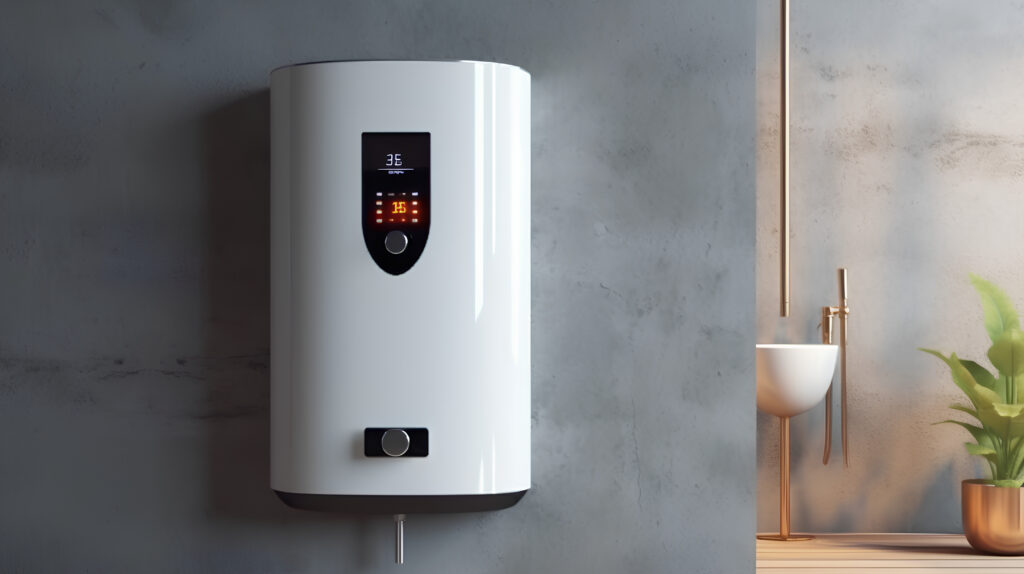
Combi Boiler vs Unvented Cylinder: Which Is Right for Your Home? Choosing the right heating and hot water system is one of the most important decisions homeowners can make. Whether you are upgrading an ageing boiler, renovating your property, or planning a growing household, understanding the difference between a Combi Boiler vs Unvented Cylinder system can help you make the right long-term investment. For homeowners in North Shields and the surrounding areas, factors such as property size, water pressure, household demand, and energy efficiency all play an important role in selecting the best system. While both options provide reliable heating and hot water, they work in very different ways and are suited to different types of homes. In this guide, we’ll compare combi boilers and unvented cylinders in detail, including performance, efficiency, installation costs, and which system is best for your household. What Is a Combi Boiler? A combi boiler, short for combination boiler, provides both central heating and hot water directly from a single compact unit. Unlike traditional systems, combi boilers do not require a separate hot water storage tank or cylinder. When you turn on a hot tap or shower, the boiler heats water instantly from the mains supply. This makes combi boilers one of the most popular choices for UK homes. According to industry data from the UK heating sector, combi boilers account for over half of all domestic boiler installations due to their efficiency and space-saving design. Key Features of a Combi Boiler Provides hot water on demand No cold-water tank or cylinder required Compact and space-saving Highly energy efficient Ideal for smaller to medium-sized homes Benefits of a Combi Boiler 1. Space Saving Design One of the biggest advantages of a combi boiler is its compact size. Because there is no need for a hot water cylinder or loft tank, they are ideal for properties where space is limited. This makes them especially popular in: Flats Terraced homes Smaller semi-detached properties Modern apartments 2. Energy Efficiency Modern A-rated combi boilers can achieve efficiency levels of over 90%, helping homeowners reduce energy waste and potentially lower heating bills. Because water is heated only when needed, there are no standing heat losses from stored hot water tanks. If your existing boiler is older and becoming unreliable, it may also be worth reading Is It Worth Repairing or Replacing Your Boiler? A Simple Guide to help determine whether a replacement system could save you money long term. 3. Lower Installation Costs In many cases, installing a combi boiler is less complex than fitting a fully unvented hot water system. Fewer components often mean lower labour and installation costs. What Is an Unvented Cylinder? An unvented cylinder stores hot water at mains pressure, allowing homes to access strong, consistent hot water across multiple outlets simultaneously. Unlike older vented systems, unvented cylinders do not rely on gravity-fed tanks in the loft. Instead, they are directly connected to the mains water supply. These systems are commonly paired with: System boilers Regular boilers Renewable heating systems such as heat pumps Benefits of an Unvented Hot Water Cylinder 1. Excellent Water Pressure One of the biggest advantages of an unvented hot water cylinder is strong water pressure throughout the home. This makes them ideal for: Homes with multiple bathrooms Luxury rainfall showers Busy family households You can often run several taps or showers at once without a noticeable drop in performance. 2. Better for Larger Properties If you live in a larger home in North Shields or surrounding areas with: Two or more bathrooms Ensuite showers High hot water usage …an unvented cylinder may provide a more reliable solution. 3. Future-Proofing Your Home Many homeowners upgrading or extending their property choose unvented systems because they can better handle increased hot water demand. With UK heating legislation continuing to evolve, homeowners should also stay informed about efficiency standards and system requirements. This guide on new UK heating regulations for homeowners explains some of the latest changes affecting heating installations and energy efficiency. Combi Boiler vs Unvented Cylinder: Key Differences 1. Space Requirements Combi Boiler Compact No cylinder required Ideal for smaller homes Unvented Cylinder Requires dedicated storage space Better suited to larger properties 2. Hot Water Performance Combi Boiler Heats water instantly Best for lower simultaneous demand Unvented Cylinder Stores hot water at pressure Excellent for multiple bathrooms If your household regularly uses several showers at once, an unvented cylinder usually performs better. 3. Water Pressure Mains water pressure is critical for both systems, but particularly for unvented cylinders. Homes in North Shields generally benefit from decent mains pressure, though this can vary depending on the property and local infrastructure. A professional heating engineer should always assess: Flow rate Incoming mains pressure Existing pipework …before recommending a system. Which System Is More Energy Efficient? Both systems can be highly efficient when installed correctly. Combi Boiler Efficiency: Combi boilers eliminate heat loss from stored water, making them extremely efficient for smaller households with moderate demand. Unvented Cylinder Efficiency: Modern unvented cylinders are extremely well insulated and can retain heat efficiently for long periods. In larger homes, they may actually prove more practical and energy-efficient overall because they can handle demand more effectively. Which System Is Best for Your Home? Choose a Combi Boiler If You: Live in a flat or smaller property Have one bathroom Want to save space Have lower hot water demand Want lower upfront installation costs Choose an Unvented Cylinder If You: Have multiple bathrooms Live in a larger family home Use several showers at once Want stronger overall water pressure Are planning future home extensions Considerations for Landlords If you own rental properties in North Shields, choosing the right heating system can also affect tenant satisfaction, maintenance costs, and legal responsibilities. Landlords should ensure boilers and heating systems are serviced regularly and remain compliant with gas safety requirements. This detailed Landlord’s Guide to Gas Safety Certificates in North Shields explains what landlords need to know about annual inspections and compliance. Common Questions About Combi Boilers and Unvented Cylinders Which System Provides Better Shower Pressure? In most cases, an unvented cylinder provides stronger and more consistent shower pressure, especially when multiple bathrooms are in use. However, a combi boiler can still provide excellent pressure in smaller homes
